Since 2022 the national research network Creating Cultures of Care has done intensive work on the relationship between art and care(fulness), chaired by Utrecht University of the Arts and involving several professorships, universities, and practice partners throughout the Netherlands. See here for an older introductory post of the consortium, and here for the Creating Cultures of Care website. Among other topics, one working group within Creating Cultures of Care explores what education can look like when art and care not only come together, but actively reinforce one another.
On 22 January 2026, a part of the network gathered at UMC Utrecht to further shape transdisciplinary educational development. Stefan van Geelen welcomed us, and Fabiola Camuti opened with an introduction to Creating Cultures of Care. We also launched our new introductory video, created by Niels Mud — feel welcome to have a look!
Yke Reeder presented the scoping review published over the past year (in Dutch), mapping educational practices in the Netherlands at the intersection of art, care, and wellbeing. It showed that education that crosses these domains offers significant added value for students, while also revealing challenges in achieving structural integration into curricula.
Together, we explored what is needed for the sustainable and structural embedding of educational practices that cross institutional and disciplinary boundaries. What does a hybrid learning environment look like? What knowledge and skills do we want students to develop in such transdisciplinary education? What kind of professional development is required? And what infrastructure is needed to make this possible? We examined these questions during several working sessions, each with a different focus.
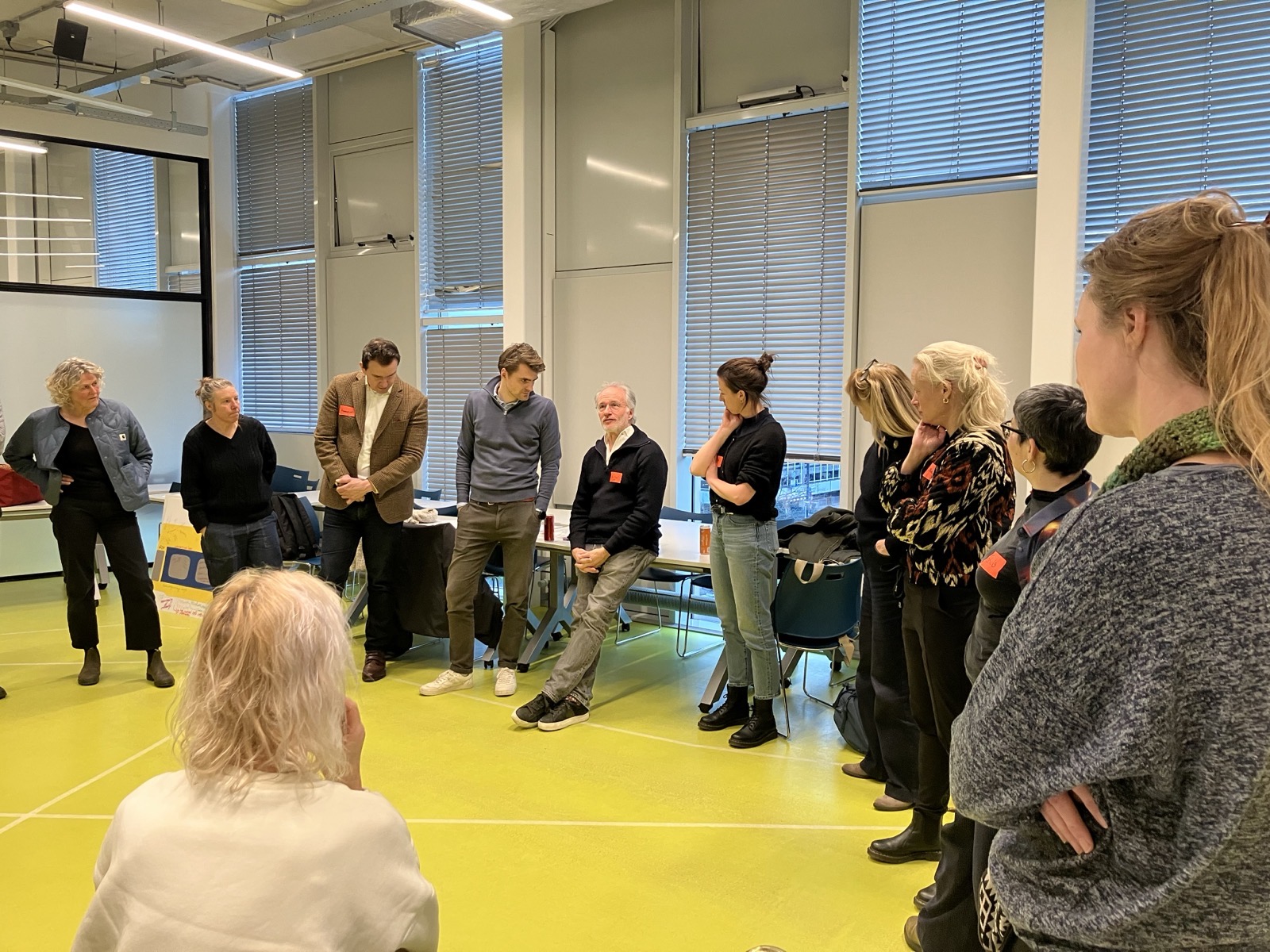
Working sessions
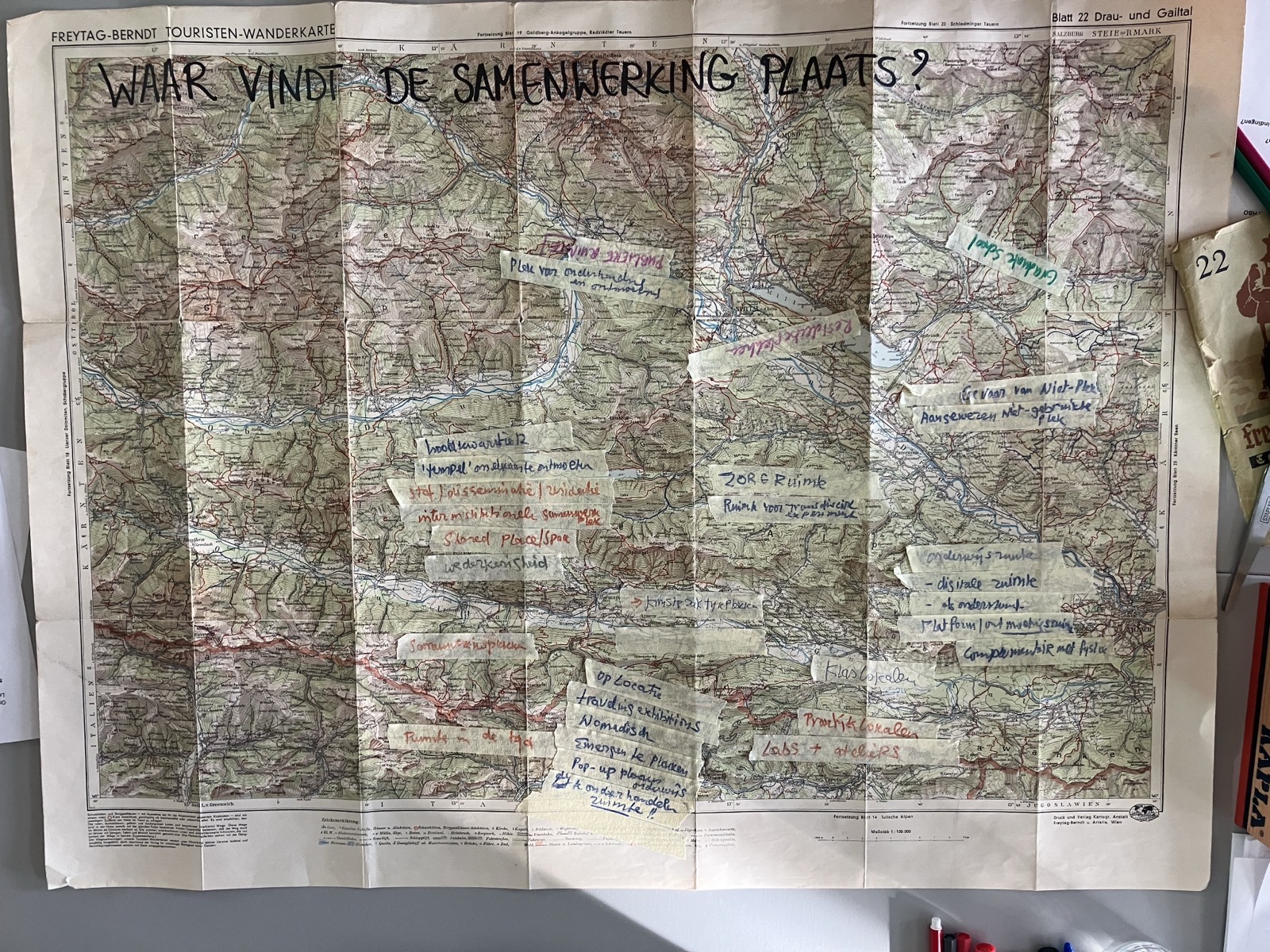
With Nirav Christophe, Fabiola Camuti, and Debbie Straver, we imagined what institutional collaboration might look like. Where could it take place, who would be involved, and what conditions are required? This involves not only practical matters such as assessment criteria, but also mutual professional development and ambassadors who are open to the unknown. It quickly became clear that not only teachers and developers are essential in caring transdisciplinary education, but also, for example, confidential advisors, support staff, and people with lived experience.
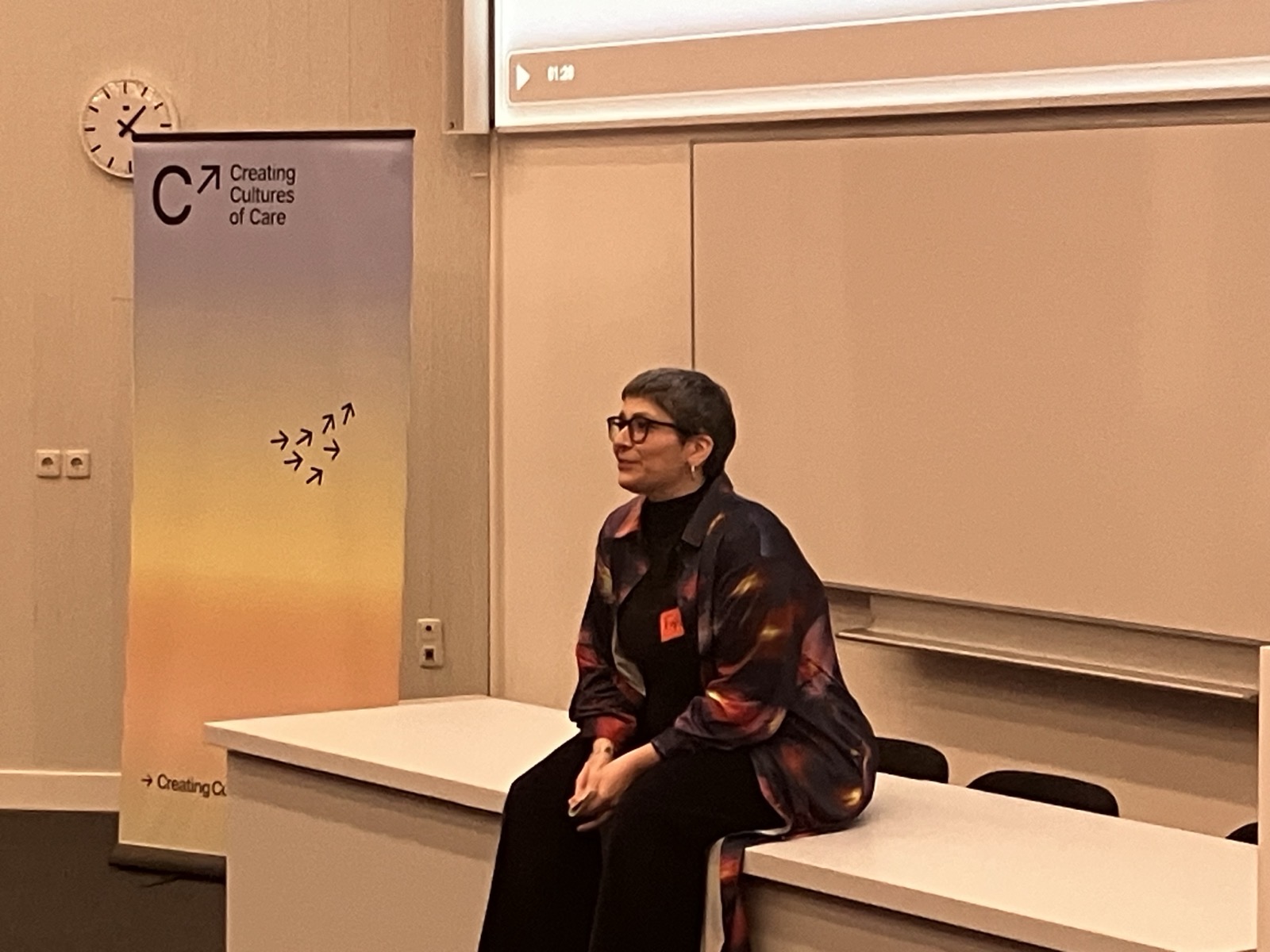
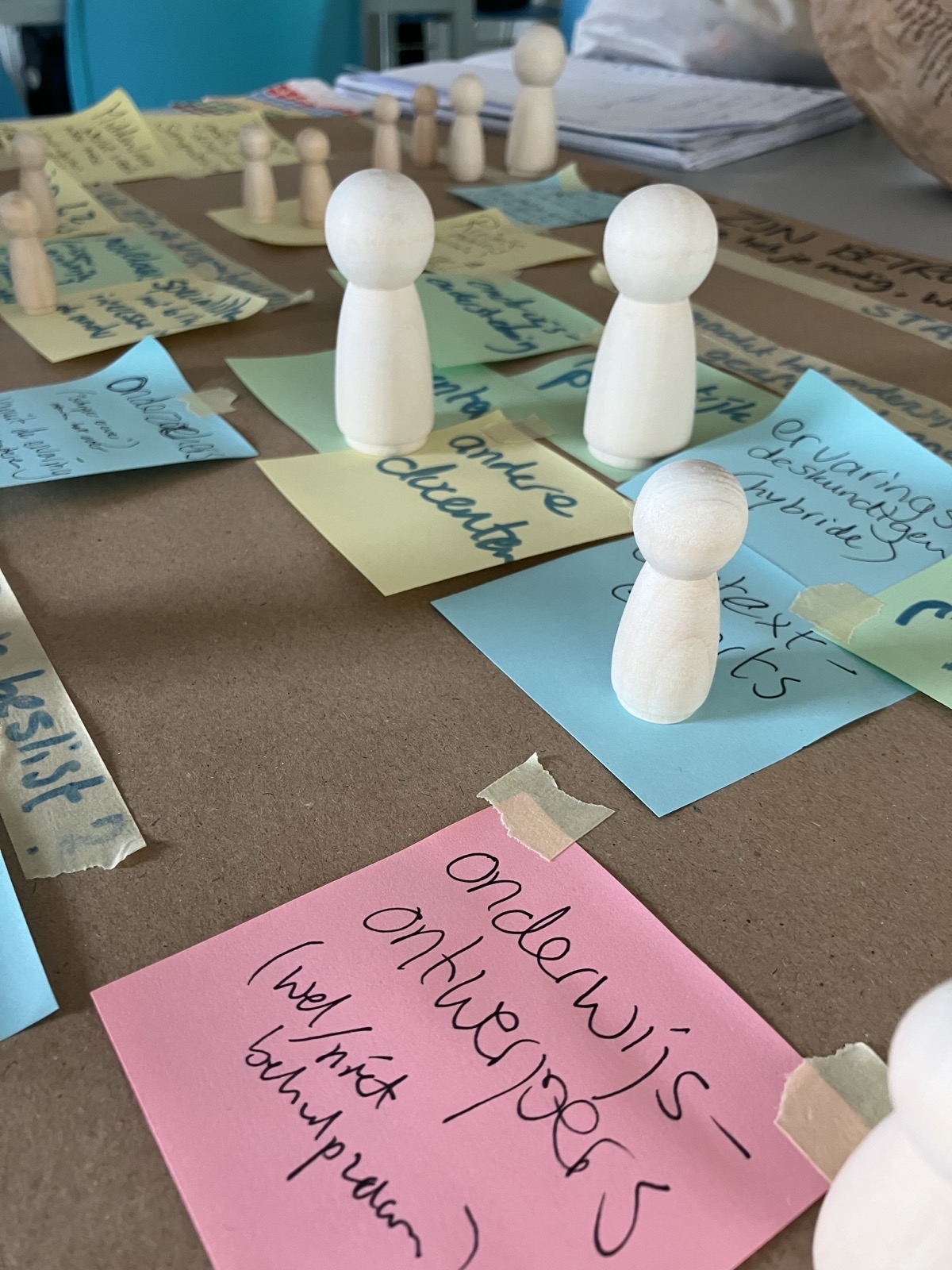
With Siete Sirag and Yke Reeder, we explored design criteria for minors programmes. We started from personal values such as equality, care, and reciprocity, and translated these into practical design principles. It proved important to allow space for vulnerability, to pay attention to who is—and who is not—seen and heard, and to view learning as embodied and affective. Art plays an essential role here, helping to slow down and to give meaning to personal and societal questions.
Marjolein Uitham and Ellen Wolfrat-van der Aart took us on an imaginary train journey, stopping at different stations of Lifelong Learning. By viewing Lifelong Learning as a personal travel trajectory, we could focus on the conditions that support learning with and from others. What makes such a learning environment caring, safe, accessible, self-directed, and sustainable? At each station, participants discussed a statement, such as: “Experiential learning in care contexts is not by definition caring or ethically responsible.”
With Gjilke Keuning, Siete Sirag, and Koen van der Heide, we explored the format of the summer school as a free space for experimentation. Koen presented the Utrecht Summer School, after which a programme was designed using developmental arcs. These arcs helped us consider a student’s learning journey: How do they enter the learning process? What do they do? What do they work on, and with whom? And what learning experiences do they gain? The summer school appears to be an ideal setting for CCoC partner institutions to experiment with transdisciplinary education together.
The wishes, criteria, and values that emerged from the sessions will inform the further development of our educational initiatives. In the coming period, we will use the input from the afternoon to work towards shared development lines for a summer school, minors, and lifelong learning.
Many thanks to everyone who contributed to the afternoon!
Note: This post is a translated and slightly edited version of the “Aftercare” newsletter that was sent by the Creating Cultures of Care consortium. Fotos by Debbie Straver.

 Falk Hübner