
During the last half year, a small group connected to our professorship has carried out a preparatory research period for a new project, Putting Feet on the Grounds of Racism: A site-specific artistic research project on the relationship between the Dutch colonial past and present-day racism, employing movement practices (walking or running) as participatory and situated artistic-activist interventions.
Polarisation, racism and tendencies for fascism are growing – in the Netherlands, our surrounding countries and on a global scale. This artistic research project aims to take a clear stand against racism and to explore how the arts, and specifically artistic research can take responsibility for an anti-racist and more inclusive present and future.
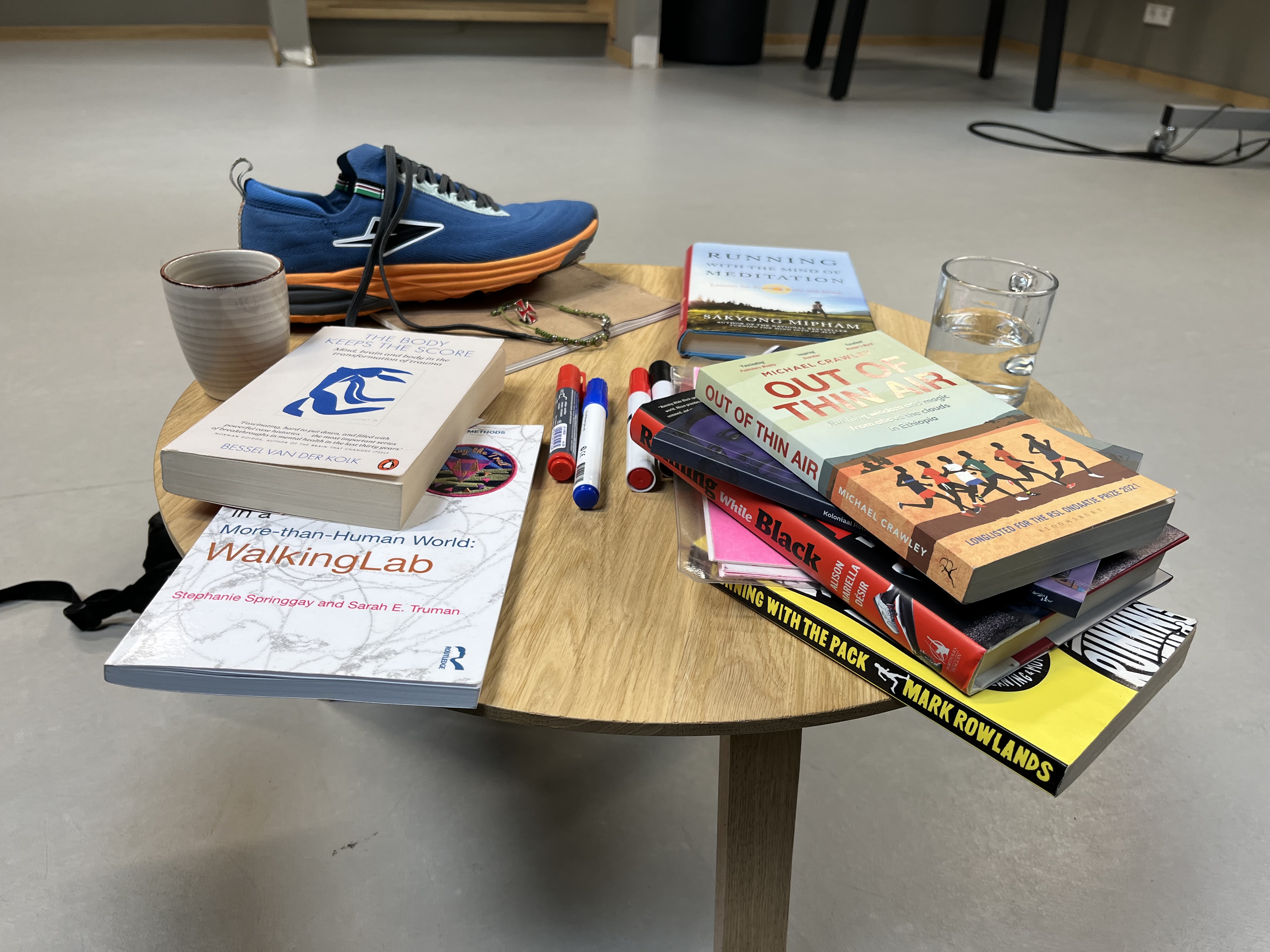
We inquire into relations between racism and the Dutch colonial past, and how both are connected to specific places or areas – think of monuments, places where the VOC (Vereenigde Oostindische Compagnie, Dutch East India Company) had offices or warehouses, or neighbourhoods in which the houses had been bought by companies associated with colonial trade. We will research these places through a methodology of site-specific artistic research and participatory movement performances, and develop artistic strategies to re-consider and re-imagine these places as inclusive, open spaces, and contribute to an anti-racist future. We build on earlier work on walking as artistic research method (e.g. Springgay & Truman, Walking Methodologies in a More-than-human World, 2019), and on long-distance running in relation to locality, physical places, history, and stories — to make meaningful connections with places and surroundings, and their stories (Hübner & Hoon 2024). This includes exploring and deepening communal and connective qualities of movement practices, their philosophical and spiritual aspects (e.g. Rowlands, Running with the Pack, 2013), and running as activism (Désir, Running While Black, 2022).
For this preparatory research phase we worked with a small team: Manon van den Brekel, Yucata Lienga, Tim Soekkha, and myself. We explored how historical perspectives can be connected to present-day racism, nad built a small annotated bibliography of sources on colonialism, racism, walking research, and running practices. Together we visited the impressive Dutch National Archive in The Hague to explore various colonial maps and objects, and we collected and visited various places in Rotterdam and Tilburg that are connected to the colonial past.
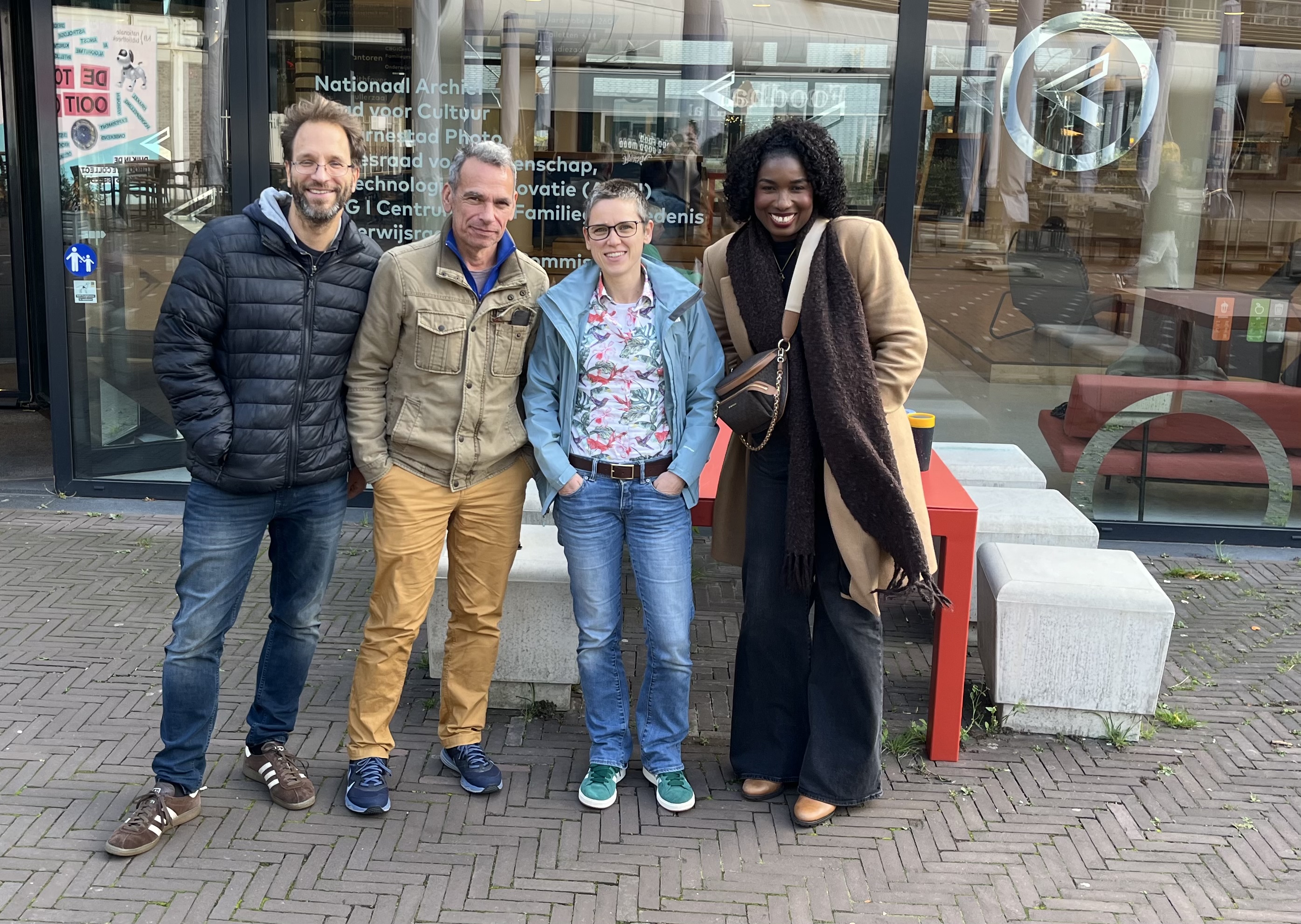
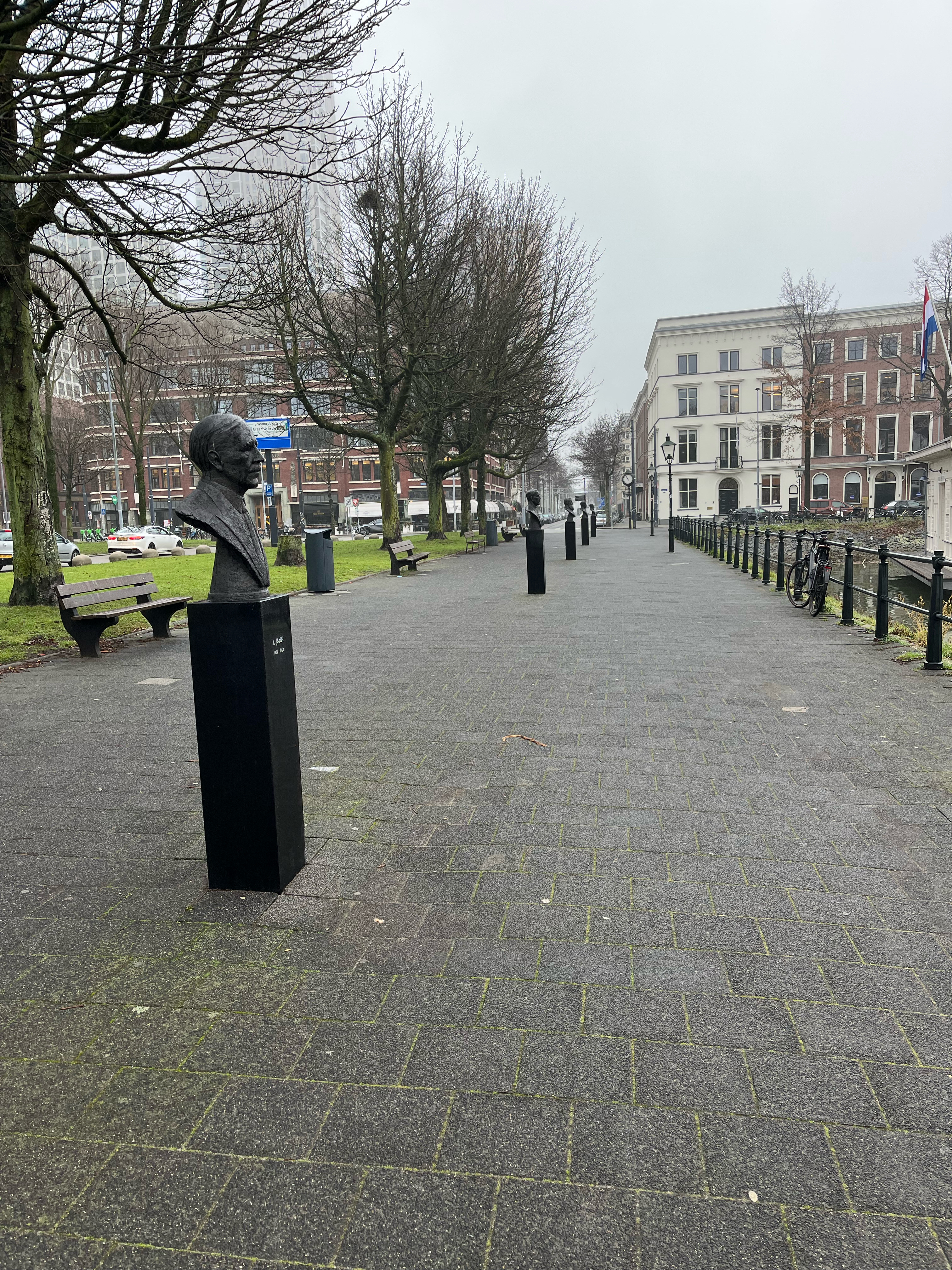
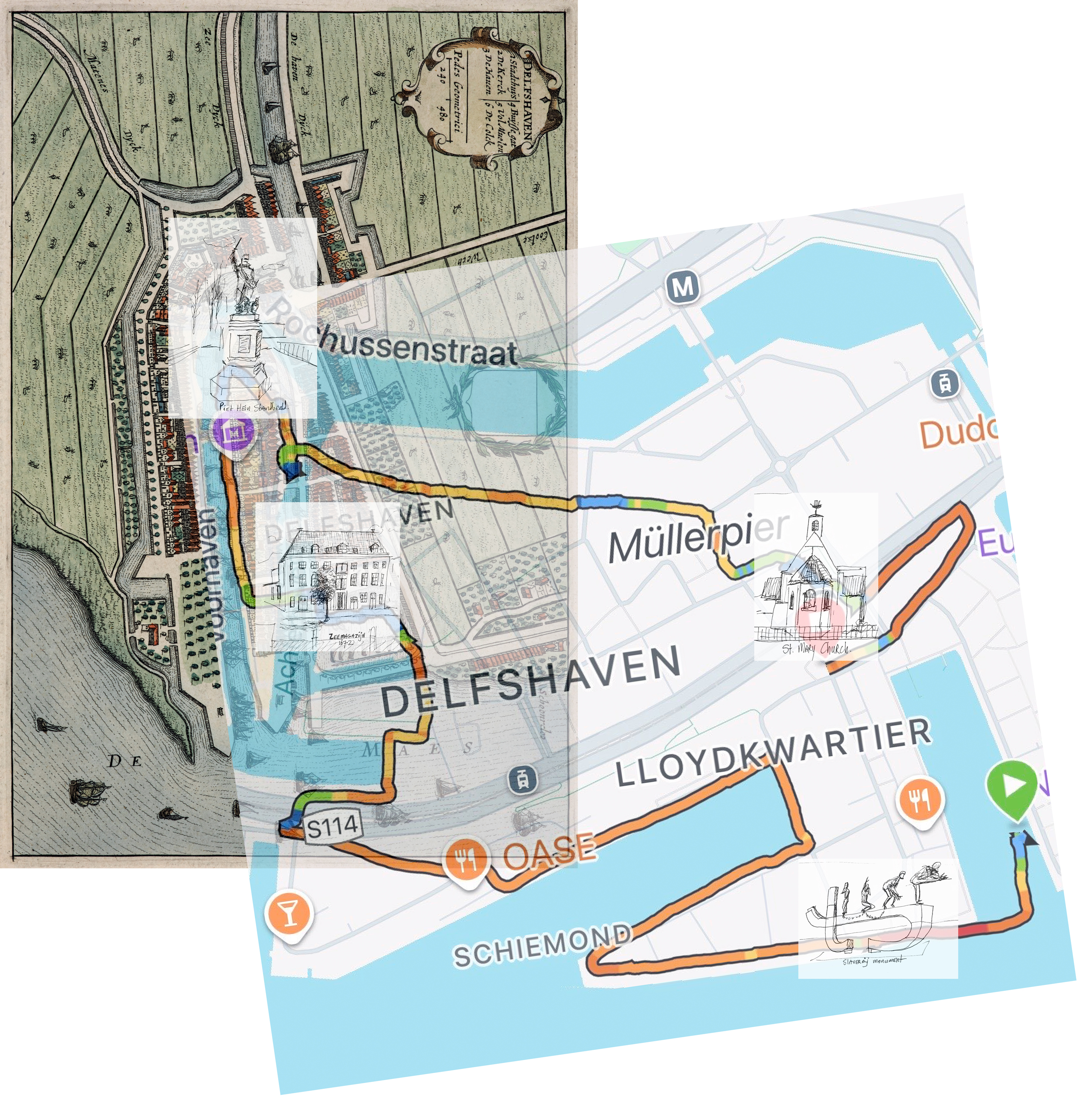
We ended this period with a three day collaboration and “mini-residency” with the Fontys master programme Performing Public Space. Together with students and artists Adrianna Michalska and Umut Sevgül, we experimented with different approaches towards text-based scores, in the surrounding of the Rotterdam Veerhaven.
Towards a new collaboration
But it doesn’t end here: I am very happy to share that our funding application for the Call “Co-creatie en Cultuurbeoefening” by the Dutch organisations SIA and Fonds Cultuurparticipatie has been accepted, which means that we will be able to continue this work in a research project for the next two years! We are doing this with two wonderful partners: The Amsterdam-based performance company Sites of Memory, and ECHO, centre of expertise for diversity policy.
Through a similar methodological approach combining historical inquiry, archival work, site-specific artistic research, and various forms of physical movement, conversation, and reflection that actively engage the public, we will investigate these sites in greater depth and develop artistic activities and strategies to open up and facilitate dialogue towards an inclusive and anti-racist future. We will explore which physical forms of movement can be used to share stories about the colonial past with a broad audience. This may take the form of a walk, an audio guide, or a running route. In doing so, next to the work mentioned above, we build upon earlier performances by Sites of Memory, in which audiences were taken along on boat trips or city walks as part of the performance experience, as well as on the decade-long experience of ECHO to facilitate “uncomfortable conversations” in the areas of diversity and inclusion.
Over the course of two years, we will work toward various participatory performance scores and prototypes, which will be presented during a symposium aimed at students, researchers, communities, and the general public.

 Falk Hübner