Two weeks ago, the symposium “What Methods Do” and the first International SAR Forum took place in Tilburg. This week certainly was one of the most enjoyable and intense experiences of this academic year, and still leaves me with a feeling of being grateful and proud of everything that happened and especially everyone from Fontys Academy of the Arts and ACPA Leiden University who made this week such a great success. As SAR president Florian Schneider stated in a social media post:
What a great gathering! The Society for Artistic Research International Forum on Artistic Research 2024 brought together 200 participants from across Europe and beyond. It became clear how rapidly Artistic Research has evolved, while its community continues to grow. Knowledge creation through the arts is becoming increasingly relevant in the context of mission-oriented research and in response to societal challenges such as the climate transition and the digital shift. Thank you to all who have joined us at Fontys Academy of the Arts and special thanks to the organising team led by Falk Hübner and Ulla Havenga.
Many thanks again from our side to the SAR board, Florian Schneider, CEO Johan Harberg for the trust to make the Forum happen. In this post, I just collect a few impressions of, and reflections on these intensely inspiring days (and many photos!).
What Methods Do
On Tuesday 9 April, the symposium What Methods Do, organised by ACPA and curated by Gabriel Paiuk, took place in the Textile Museum. The symposium aimed to explore and evaluate how methods play a role in producing knowledge, shifting boundaries between disciplines, and reconfiguring the agency of art in societal contexts. What do methods do? How can they be used? How do they address the urgencies of a world in dire need of new perspectives?
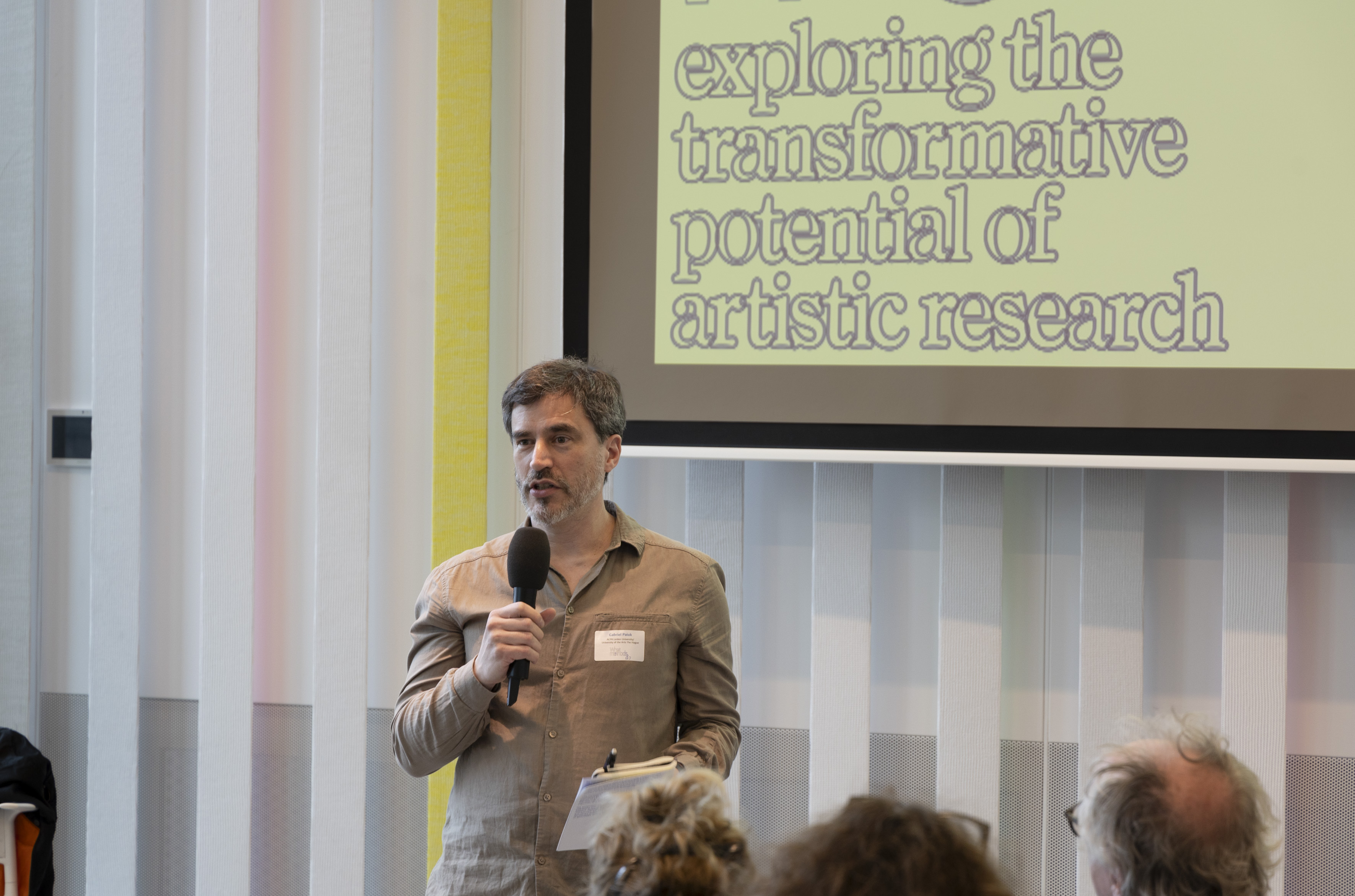
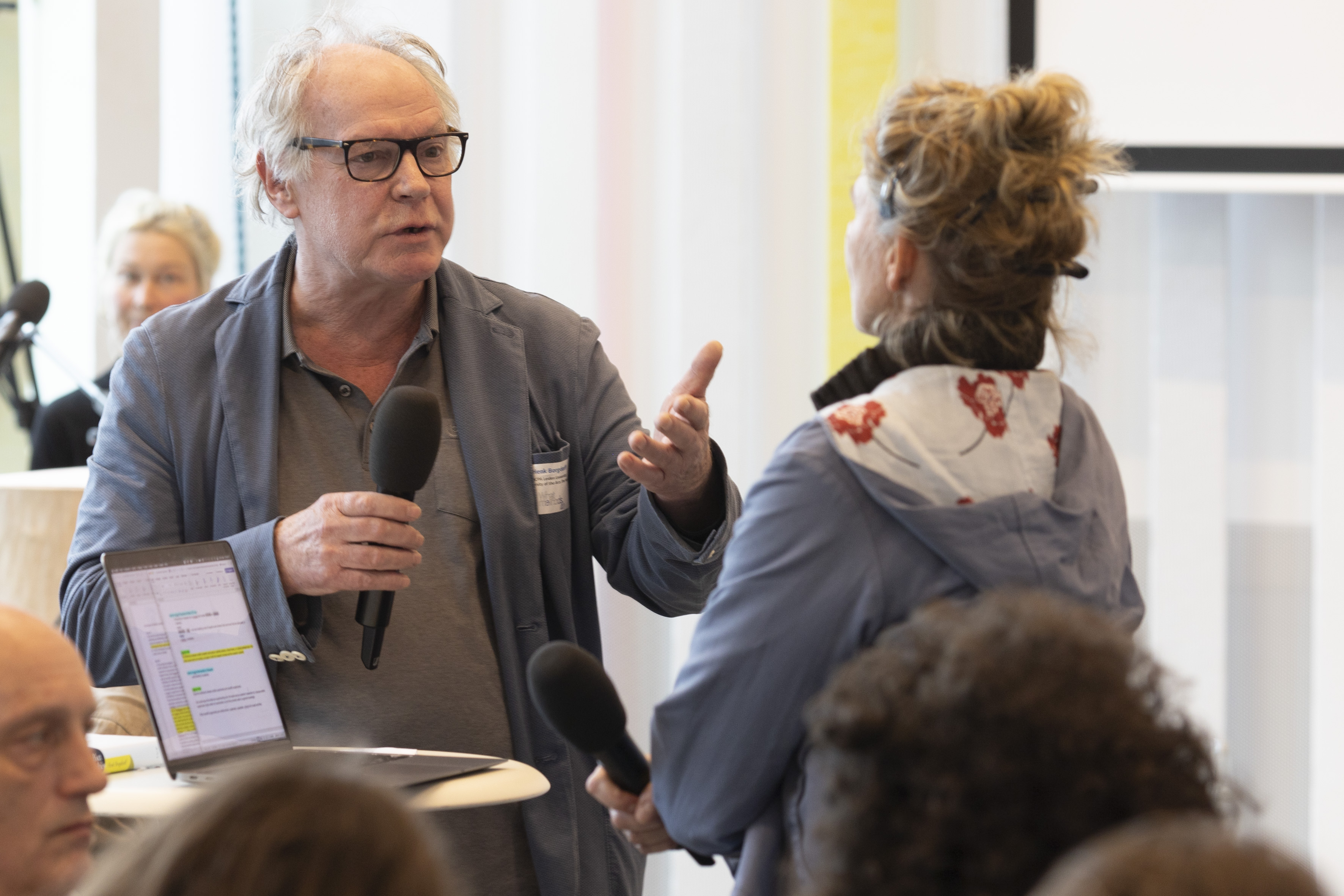
One of the presentations that truly struck me was offered by theoretical quantum physicist Patrick Emonts, invited by Anke Haarmann. It was fascinating to hear how theorists and experimental practitioners in the discipline of quantum physics work together and complement each other. Patrick’s precise differentiation between method and practice was impressive and food for thought: He understands method as a certain operation (on data) to achieve a certain outcome. The outcome will be the same every time, the method is repeatable. Practice, on the other hand, is something one does daily, e.g. writing on a whiteboard, without the guarantee of actually getting anywhere. An interesting perspective for the artistic disciplines, in which both theory and (experimental) practice, as well as method and practice, are continuously intertwined and entangled.
At the end of the day, I presented my new book Method, Methodology and Research Design in Artistic Research. Between Solid Routes and Emergent Pathways, published by Routledge. As mentioned in my previous post, the book is available in full Open Access (see here).

Obviously, there was no better moment thinkable to present such a book than an international symposium on methods! In the presentation, I shared the very first ideas that resulted in carrying out the postdoctoral research, which finally led to writing the book, as well as — very shortly — the Common Ground model that lies at the core of the publication. I cannot wait to see and hear what researchers, supervisors and students will do with this material, and hope that it will be of value for the work of the artistic research community (for the abstract of the book, see my previous post).
As a gesture, together with Gabriel I had agreed that we would take the opportunity to hand over the very first copy of the book to Henk Borgdorff, now retired, who has done so incredibly much for artistic research as a discipline, on so many levels.
SAR Forum

Wednesday the 10th marked the kick-off of the first International SAR Forum. We started off in the Lochal and Mindlabs, both impressive buildings in their own right, located in the centre of Tilburg next to the central station. We had designed a new format for the first day, with three parts:
- Welcome and Instigation
- Thematic practice sessions
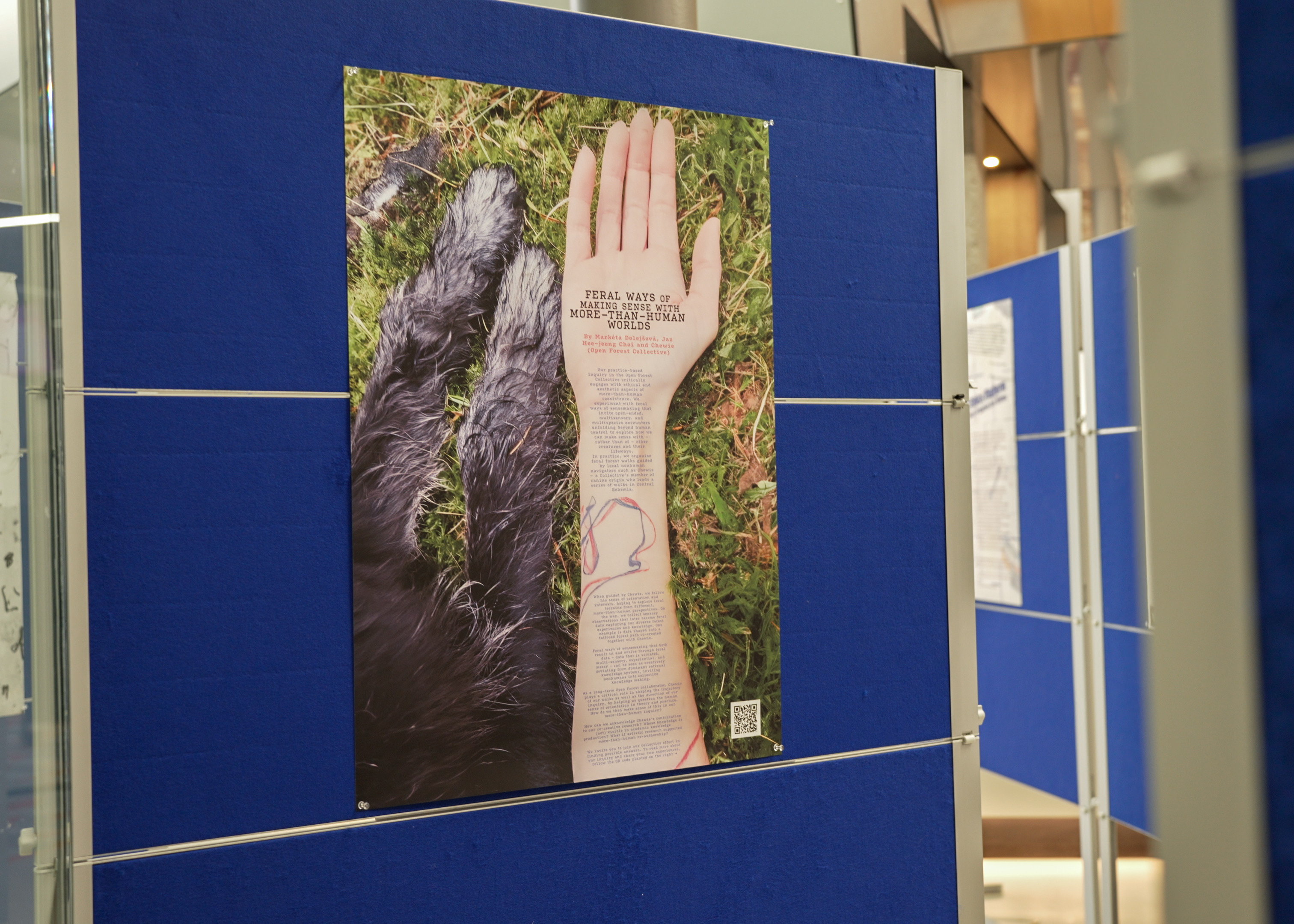
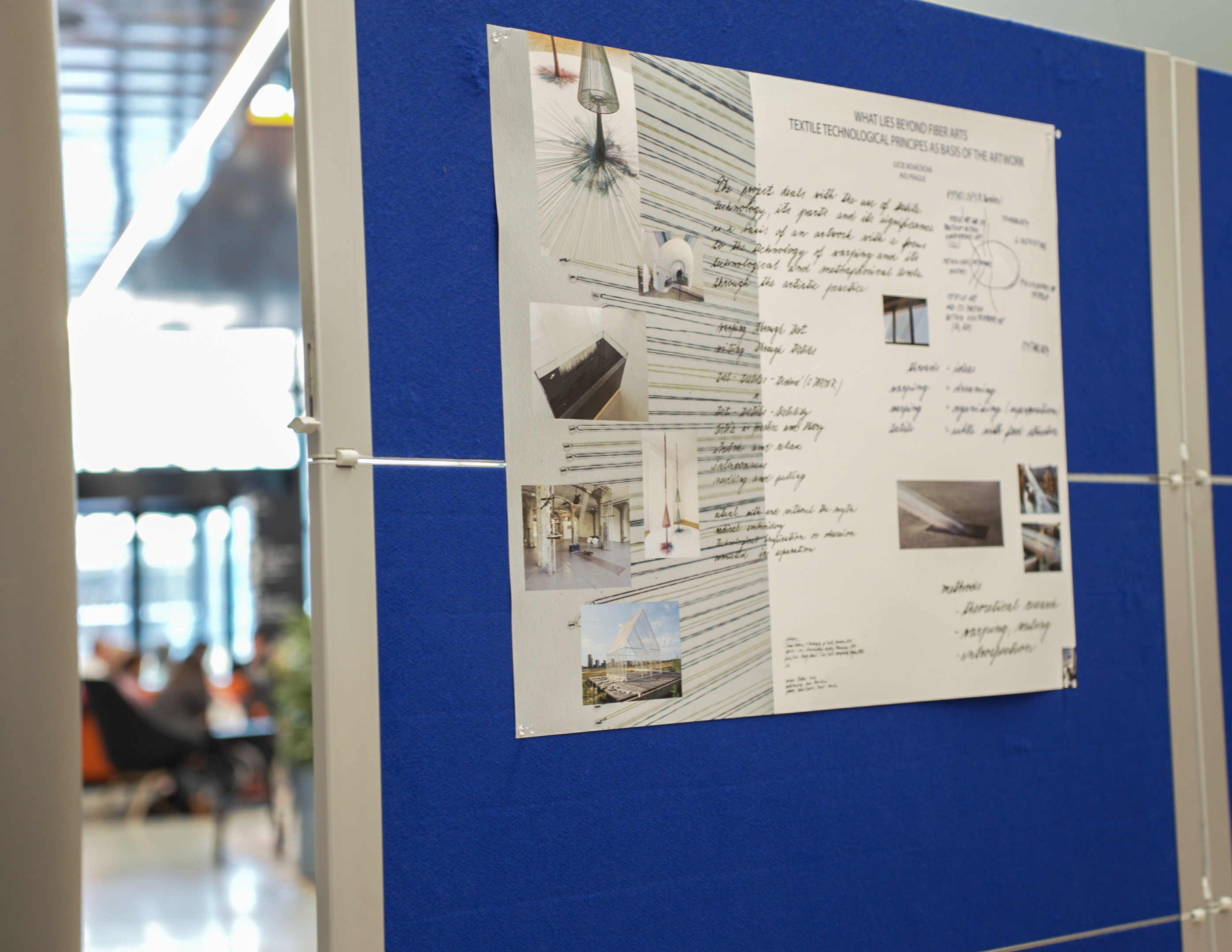
- Poster session and reception
The concept of the instigation was based on two ideas: First, to avoid the one-person-centered approach of the traditional keynote lecture, and second, to re-imagine the usual “cut” after the keynote and Q&A, after which participants go into different sessions and strands, typically relatively unrelated to, or with little immediate connection to the keynote. Our idea was to develop a more collaborative approach, as well as a more continuous process of moving, thinking, working and collaborating through the day, where the keynote moves more organically towards the thematic sessions. This brought us to the format of an instigation, co-created by three specialists in their respective field, whom we call the “provocateurs”: Natalie Loveless (research environment and culture), Lenka Hamosova (artificial intelligence) and Anne-Helen Mydland (ethics).
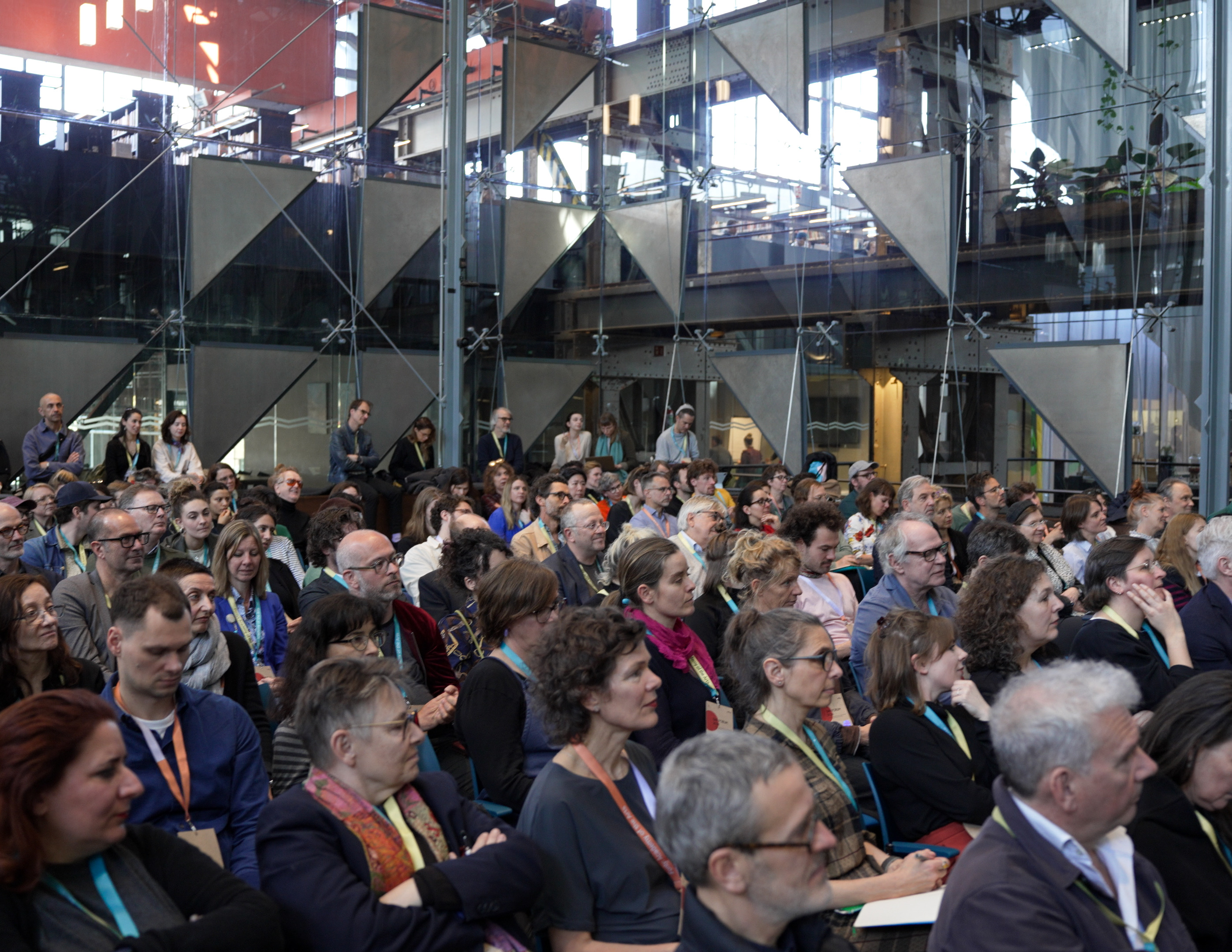
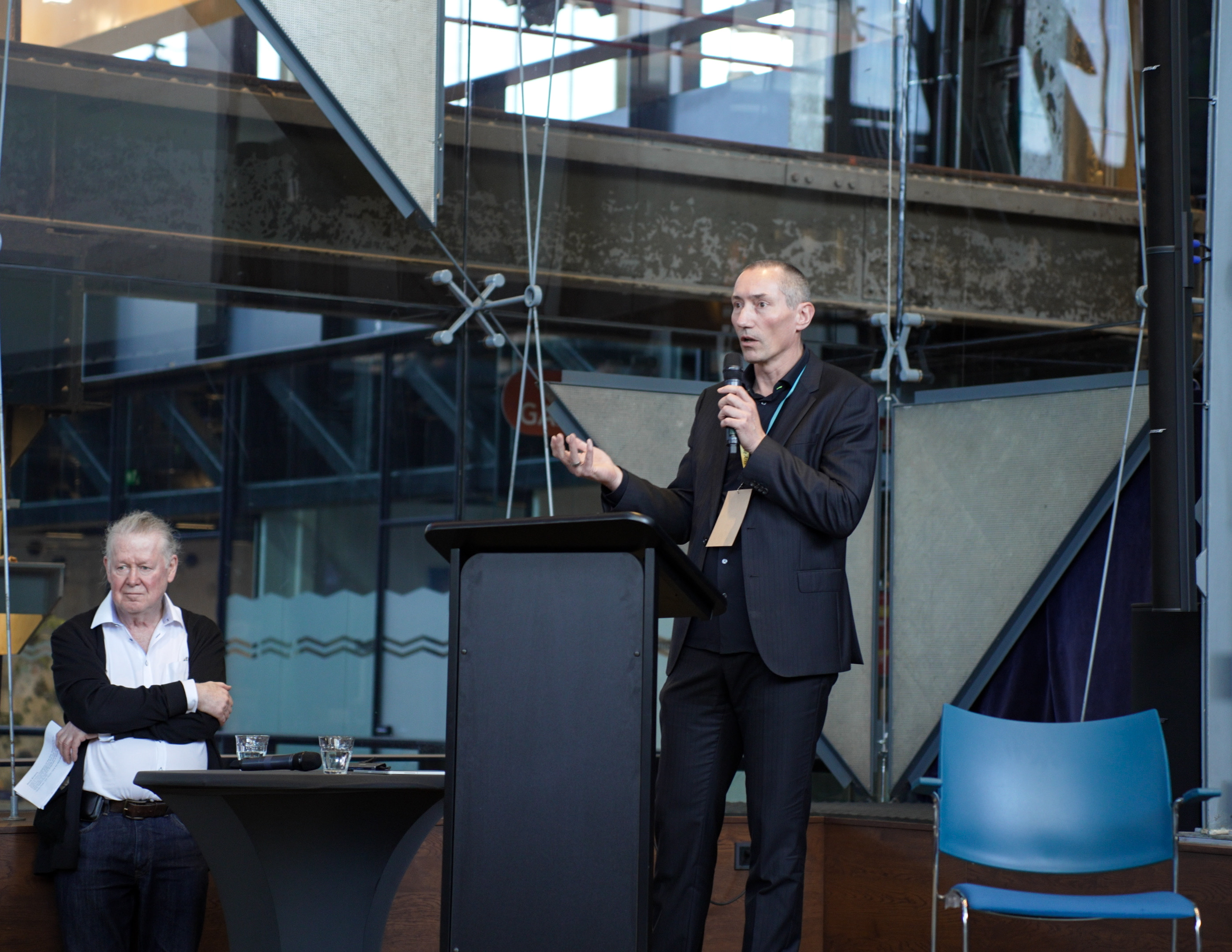
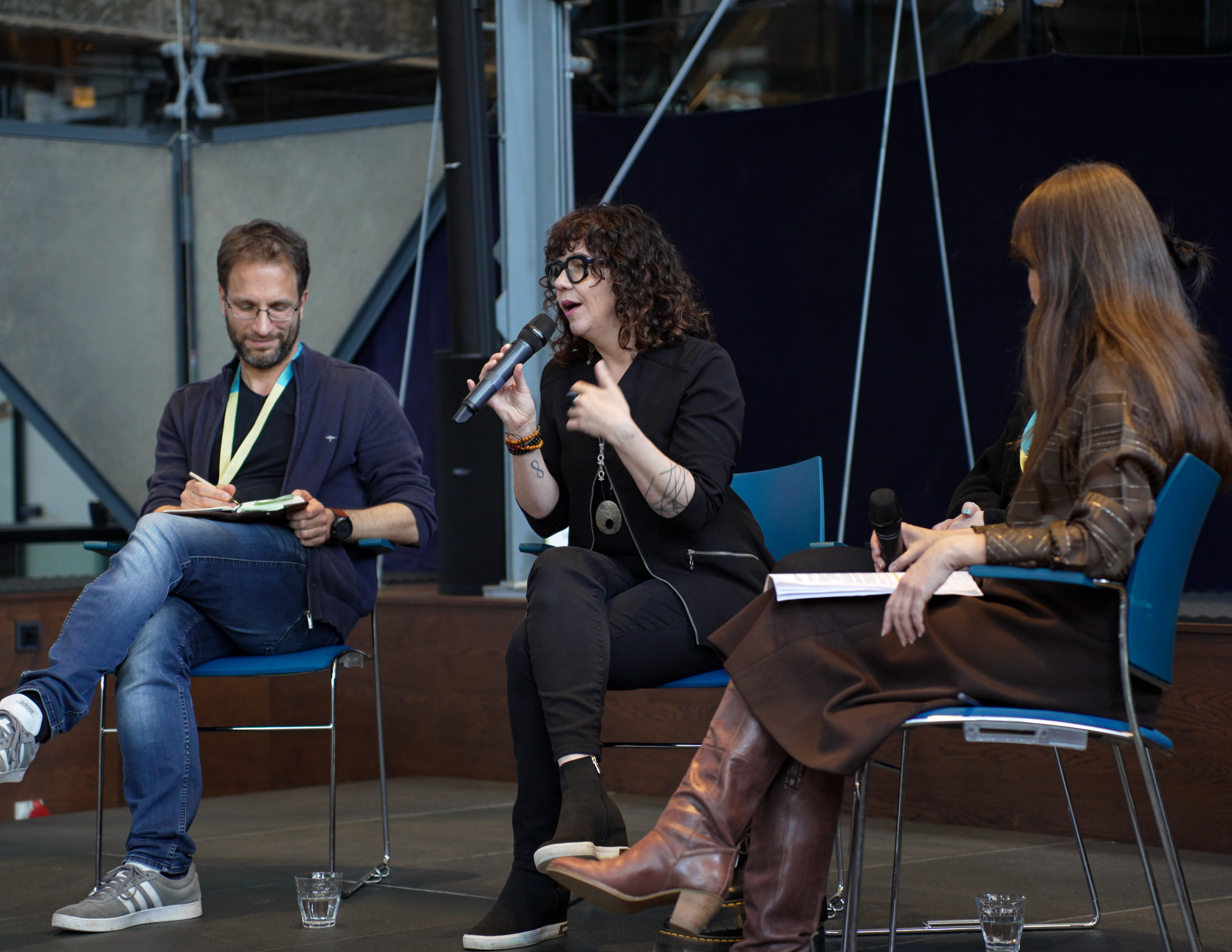
In the instigation, the three speakers elaborated on the overall theme of the Forum, Challenges, visions and opportunities for artistic research and/in society, from three interrelated perspectives: ethics, research environment & culture and artificial intelligence. Each of the provocateurs explored what, from her own situatedness and context, needs to be addressed for artistic research at this moment, in the form of a series of related questions — What’s at stake? Imbricated concerns were politics, pedagogy, relations between the institution and the professional field.
Anne-Helen argued for ethics as a positive driving force within our practices — a force that can empower us, which can be a way to re-unify and to unravel untransparent power structures (make sure to have a look at her and other’s exposition Map Ethics! on the Research Catalogue). She asked what ethics should “look like” in artistic research, and how they should be managed and implemented? How can research ethics and research integrity be a driving force for developing ethical dimensions of artistic practice, rather than an academic check box exercise? Anne-Helen argued for ethics a potential bridge, rather than an alienation between inside and outside academia; as a way to empower artistic researchers and artists. Natalie was keen to ask the question regarding artistic research: Not just what and how, but why? She wondered what it means to be an activist/instigator in an institution, and offered her idea of artistic research as institutional critique, as a force to remake the institution from within the institution. Lenka asked how we can collaborate and make sense with nonhumans, such as algorithms in AI media synthesis, to develop our creative practices while maintaining their situatedness? I was intrigued by Lenka’s notion of asymmetrical co-creation with AI, and her claim that we are relying too much on natural language in our collaborative approaches to AI and its interfaces. Lenka argued that AI should not be approached just as a material or a tool, but that it rather brings the need for more-than-human co-creation and sense-making to the table (making sense with, not of AI).
The dialogue that unfolded between the three provocateurs showed how intimately the three lines of ethics, research environment and AI are or can be interwoven. Arguments and elaborations passed to let go of the fear-driven relation to the concept of academic rigour and “to find something softer than rigour” (Lenka). Natalie argued against the extractive and neoliberal conditions in our institutions, often going along with the common emphasis on innovation. Personally, I enjoyed this dialogue immensely, it felt as a rich continuation of the dialogues we had earlier in the process of preparing the event.
The reactions to the instigation by the audience were definitely mixed and varied. While some experienced the form of the dialogue as too informal or too casual, others felt that what was said was inspiring, and that this form exactly expressed what is necessary to be expressed. Natalie, Anne-Helen and Lenka had chosen to avoid presenting a strong proposition or a coherent summary, but rather elaborating on a number of threads, weaving them together and exploring their interrelationships. As we could probably expect, some were left missing such a strong proposition. Others were fascinated by this approach and continued to weave the threads during the practice session and their conversations during the rest of the day.
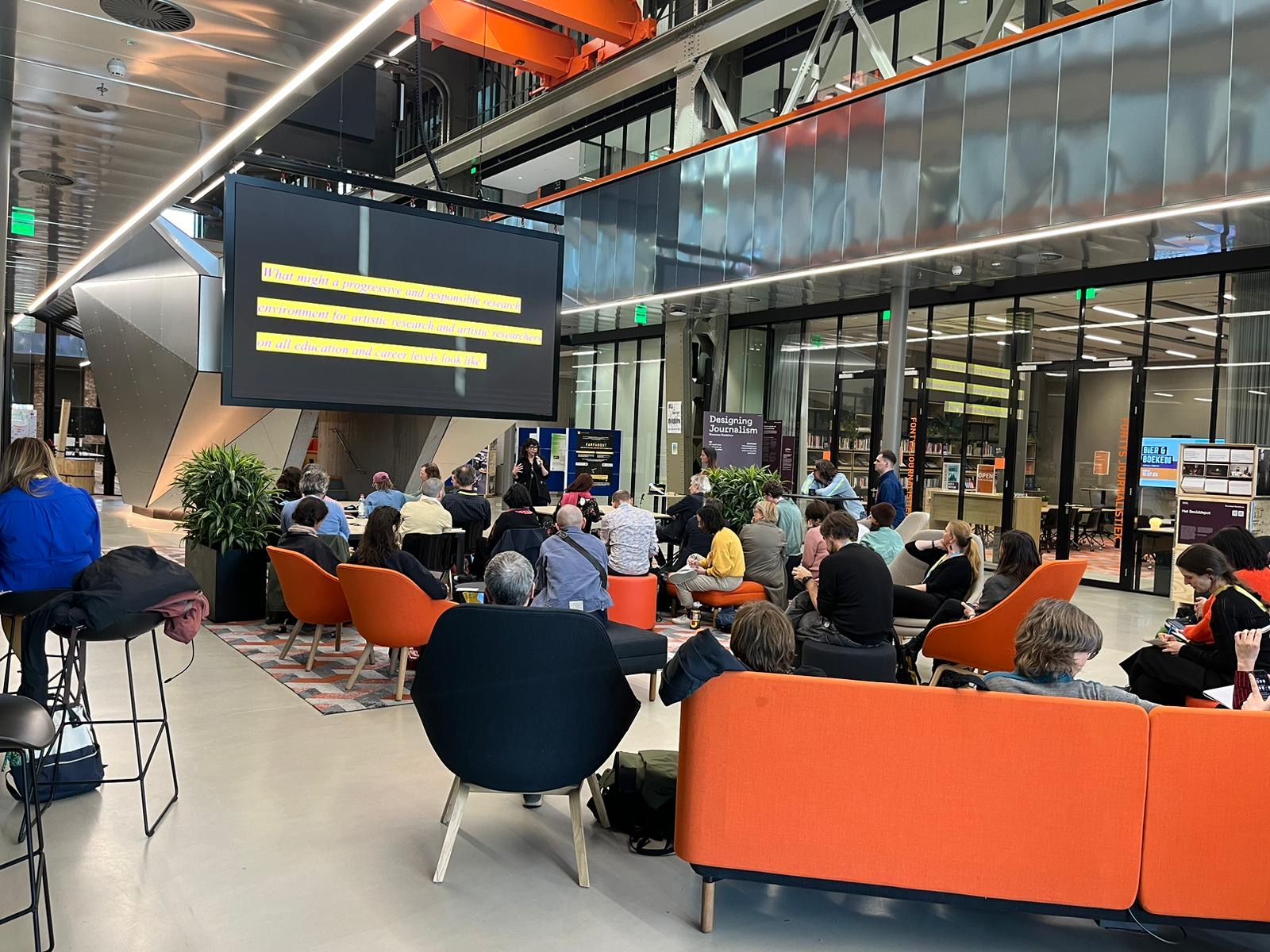
De instigation was followed by three practice sessions, in which the three provocateurs were joined by a group of facilitators:
Lenka Hamosova with Markéta Dolejsová — AI
Anne-Helen Mydland with Laura Cull Ó Maoilearca en Rajni Shah — Ethics
Natalie Loveless with Assia Bert — Research environment and culture
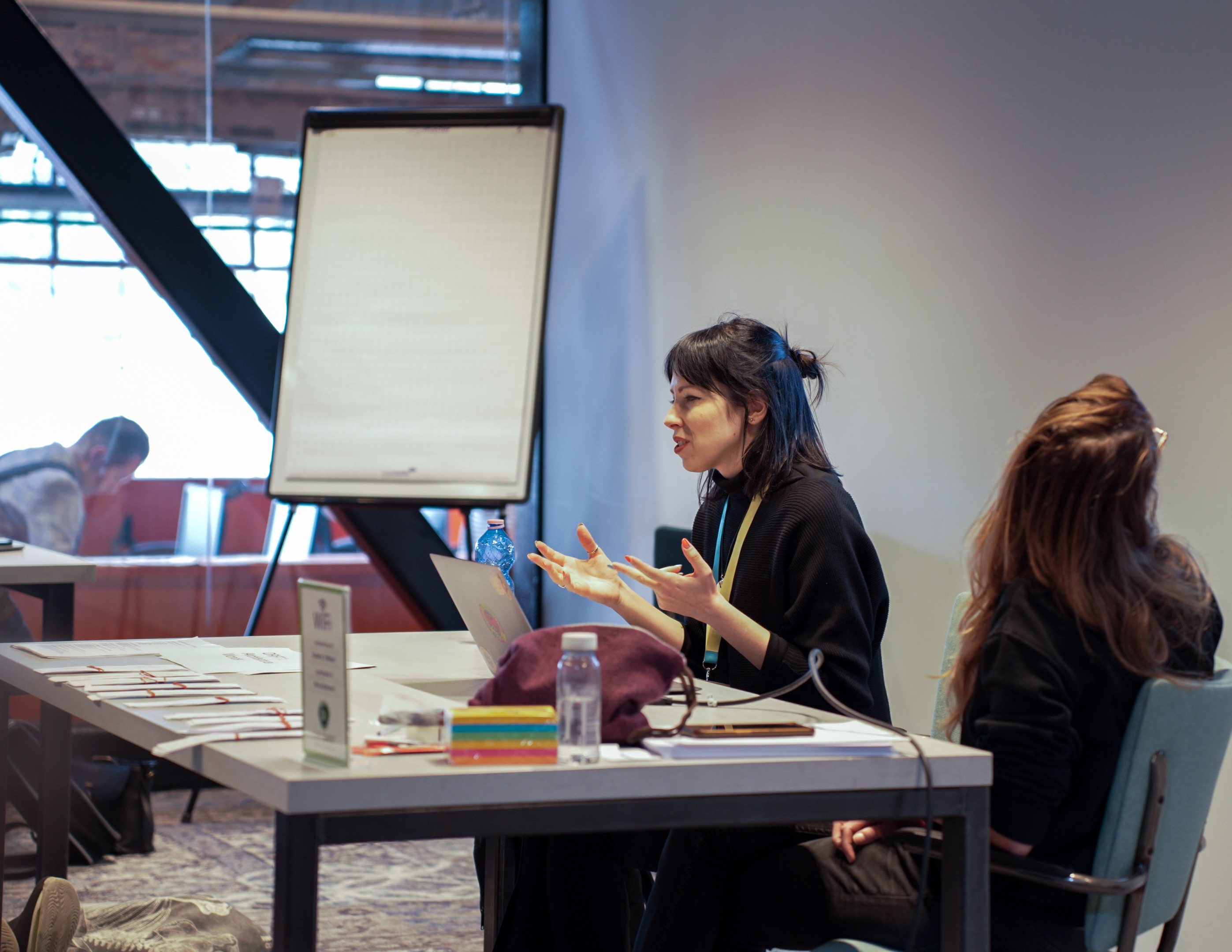
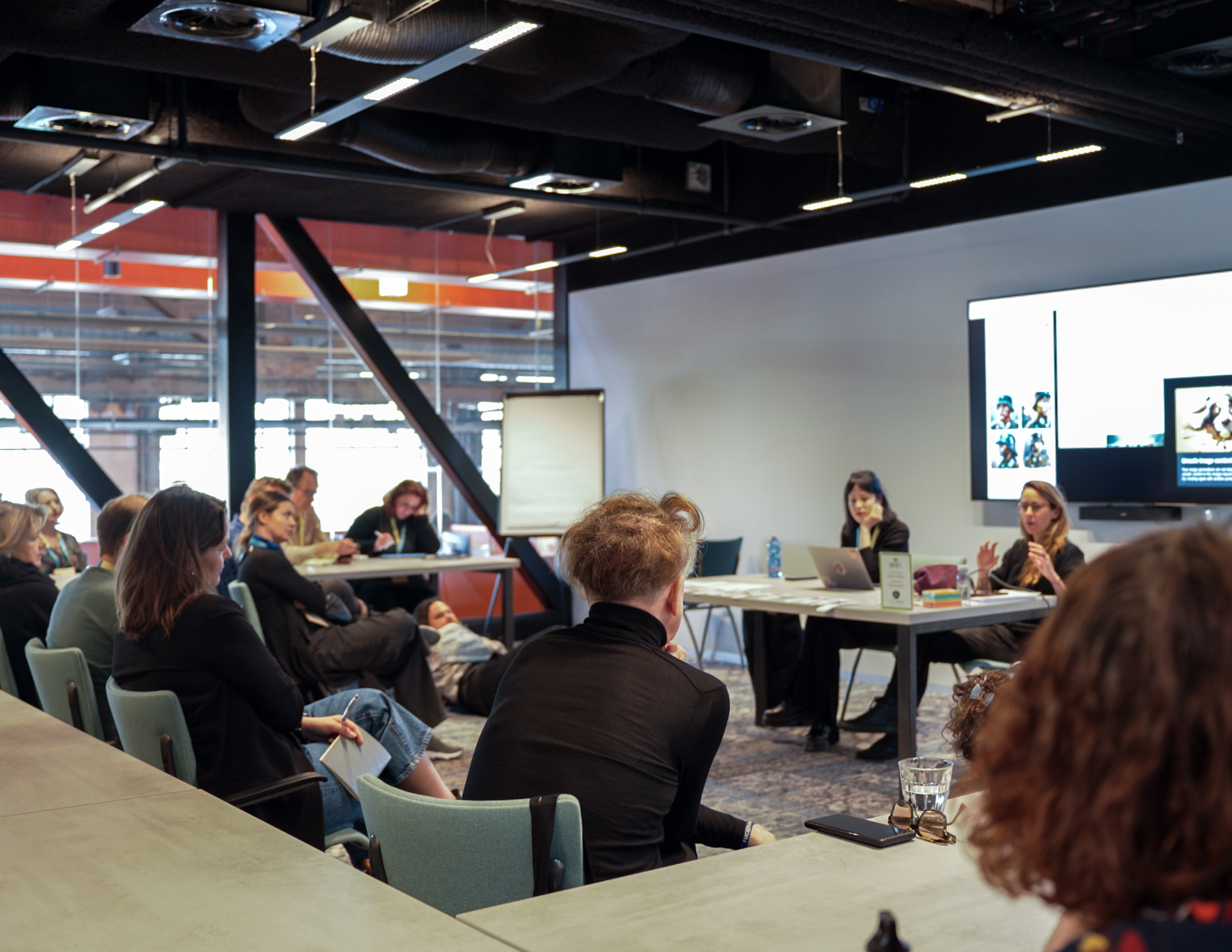
Day 2: Special Interest Groups session
The morning of the second day was marked by another premiere: The SAR Special Interest Groups (SiGs) opened up their work to the community. Each SiG was working in a dedicated space of the Academy of the Arts. Professorship-partner-in-crime and research dramaturge Heleen de Hoon and I took the chance to make a small tour along the various spaces in which the Special Interest Groups were at work. I intensely enjoyed the atmosphere in the entire building, with conference goers switching locations and roaming through the building, and the workshop atmosphere in most of the SiG-working sessions. A research environment at work!

The visit to the Facilitating SiG was where we spent most of our time. On the images: A session in which members of the group experimented with materials to rethink the format of the whiteboard — in 3D.


The second day of the Forum ended with a session dedicated to international funding, delivered by the wonderful David Crombie from Utrecht University of Arts, and the SAR General Assembly. Three new board members were chosen, next to two new vice presidents: Michaela Glanz and Angela Bartram. Congratulations!
And finally: Many, many thanks to our incredible and hard-working team, especially Ingrid Westendorp, Ulla Havenga and Heleen de Hoon. Each of them has done a marvellous job and took great care to make this event at our institution a success.


 Falk Hübner
1 Comment